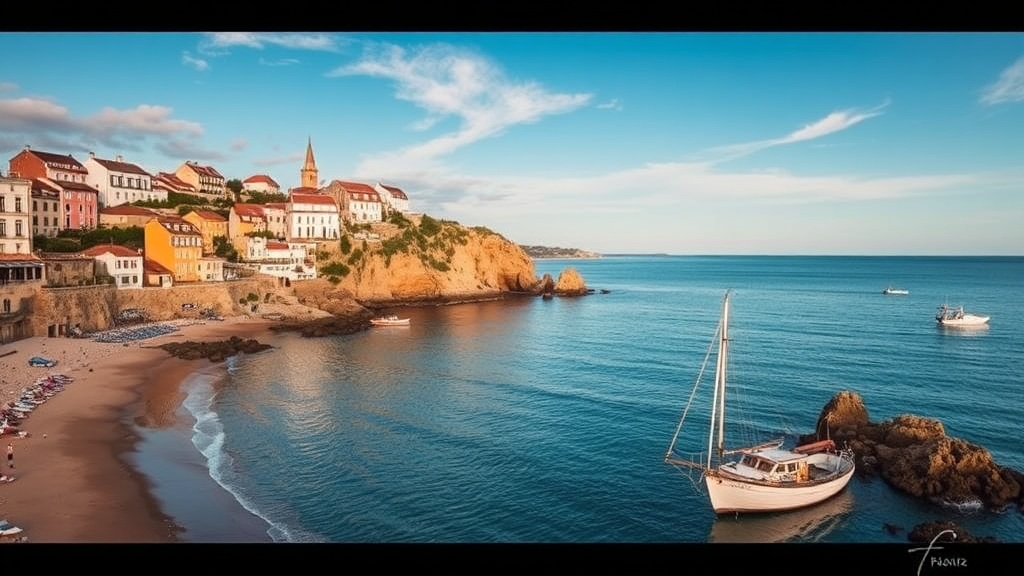
7 Coastal Villages in Portugal for a Slow Summer

Azenhas do Mar
Ferragudo
Cascais Hidden Coves
Olhão Charm
Santa Teresa do Moledo
Aljezur Coastal Retreat
Tavira Riverside Magic
Portugal has over 800 miles of coastline, yet much of the international tourism traffic stays stuck in the high-rise corridors of the Algarve or the crowded streets of Lisbon. This post highlights seven specific coastal villages where the pace actually slows down, making them ideal for families or couples who want to escape the heavy tourist crowds. We'll look at the unique charm, the best way to get around, and what to expect regarding local amenities.
Why Choose a Coastal Village Over a Major City?
Coastal villages offer a direct connection to the Atlantic rhythm that cities simply can't replicate. While cities like Lisbon offer culture, they also offer noise, traffic, and higher costs. In these smaller villages, your daily rhythm is dictated by the tides and the local bakery's schedule rather than a tour bus arrival time.
If you're traveling with a family, this is a big deal. Kids need space to run, and parents need a moment to breathe. A village setting allows for that "unstructured" time that makes a vacation feel like a real break. It's a different kind of luxury—one that isn't about gold-plated faucets, but about having a quiet beach to yourself at 4:00 PM.
1. Cascais: The Sophisticated Escape
Cascais is a former fishing village that evolved into a high-end seaside retreat. It's located just a short train ride from Lisbon, making it perfect for those who want luxury without the isolation. You'll find excellent seafood, beautiful architecture, and a very polished atmosphere.
The beaches here are well-maintained, and the Atlantic breeze keeps the heat manageable. If you're staying in a rental, look for something near the Boca do Inferno cliffs for the best views. It's a bit more expensive than the deep south, but the proximity to the capital is a huge plus.
2. Ferragudo: The Authentic Algarve Experience
Ferragudo is a traditional fishing village that has kept its soul despite the massive growth of the surrounding Algarve region. It sits right across the water from Portimão, but it feels worlds apart. The streets are narrow, winding, and lined with white-washed houses and bright bougainvillea.
Families love the riverfront dining. You can sit by the Arade River and watch the boats go by while the kids eat grilled sea bass. It's much more relaxed than the heavy resort-style towns like Albufeira. It's also a great base if you want to explore the Algarve coastline via boat tours.
3. Ericeira: The Surfer's Sanctuary
Ericeira is a protected World Surfing Reserve, and that identity defines everything about the town. It's a bit more rugged and wild than the southern coast. The waves are bigger, the wind is stronger, and the vibe is undeniably laid-back.
The town is famous for its seafood, specifically the grilled sardines. You'll see locals gathered around outdoor tables every evening. It’s a great spot for families with teenagers who want to learn to surf or just hang out in a cool, coastal environment. The town is also quite close to Sintra, so you can easily mix a beach day with a mountain excursion.
4. Tavira: Where History Meets the Sea
Tavira is often overlooked by the fast-paced tourist crowd, and that's a mistake. It's a town of Roman history and salt pans, located in the eastern Algarve. The architecture here is distinct, with many more tiled rooftops and traditional structures than the western side of the country.
The access to the beaches is a bit different here. You often have to take a small ferry to reach the best sandbanks on the Ilha de Tavira. This adds a layer of adventure for kids (and a bit of a delay for those who hate waiting, but it's worth it). It's a slower, more intentional way to travel.
5. Nazará: The Giant Wave Village
Nazará is famous for two things: its massive swells and its deep-rooted traditions. This is the place to go if you want to see the raw power of the Atlantic. While the big waves are a seasonal phenomenon, the village remains a fascinating place to visit year-round.
The local women still wear the traditional seven skirts, a sight that is genuinely moving. The town is built on a steep slope, so be prepared for some walking. If you're traveling with older children, the sight of the massive waves is a spectacle they won't forget. It's a rugged, salt-of-the-earth kind of place.
6. Azenhas do Mar: The Cliffside Gem
Azenhas do Mar is a tiny cluster of white houses perched precariously on the cliffs. It's visually stunning, but it's also quite compact. You can't expect big shopping malls or massive supermarkets here. Instead, you get a natural sea pool at the base of the cliffs that is perfect for a dip.
The view from the top is spectacular. Most people come here for the photo ops, but the real magic is staying the night. When the day-trippers leave, the silence settles in. It's a great place to disconnect from the digital world and just listen to the ocean.
7. Tavira's Hidden Neighbor: Olhão
Olhão is a bit more industrial and gritty than the others, but it's a gem for food lovers. The town is known for its unique, cube-shaped architecture and its massive fish market. If you want to experience real Portuguese life, this is it.
The market is a sensory overload in the best way. You can buy fresh seafood and take it back to your rental to cook. It's a very practical, non-pretentious way to spend a summer afternoon. It's also a great jumping-off point for visiting the islands in the Ria Formosa natural park.
What Is the Best Time to Visit for Slow Travel?
The best time to visit these villages is during the shoulder seasons—specifically May, June, or September. During these months, the weather is still warm enough for the beach, but the crowds are significantly thinner. You'll find that restaurant reservations are easier to come by and the "tourist tax" on prices feels much lower.
If you go in July or August, be prepared for heat and much higher volumes of people. While the villages are more resilient than big cities, the influx of visitors changes the energy. A September trip is often the sweet spot for families; the water is at its warmest, but the frantic energy of summer has started to fade.
How Much Should You Budget for a Coastal Trip?
Budgeting for Portugal can be tricky because prices vary wildly between the luxury spots in Cascais and the more traditional areas like Olhão. However, a general rule of thumb is that coastal villages are more affordable than the major cities, but more expensive than the deep interior of the country.
Below is a rough comparison of daily estimated costs for a mid-range traveler (excluding accommodation):
| Location Type | Daily Food/Drink | Transport/Activities | Vibe Level |
|---|---|---|---|
| Cascais | €50 - €70 | €30+ | Sophisticated |
| Ericeira | €35 - €50 | €20 | Relaxed/Surfer |
| Tavira | €30 - €45 | €15 | Traditional |
| Olhão | €25 - €40 | €15 | Authentic/Gritty |
Keep in mind that these are estimates. If you're eating at a local "tasca" (a small, traditional tavern), you can eat a full meal for a fraction of the price of a seaside bistro. Don't be afraid to eat where the locals are eating—it's almost always better and cheaper.
Practical Tips for Traveling with Families
- Pack for Layers: The Atlantic can be quite chilly in the evenings, even in summer. A light jacket or a Patagonia Nano Puff is a smart addition for coastal breezes.
- Rent a Car: While trains are great for Cascais and Ericeira, a car is almost mandatory if you want to explore the smaller, more secluded villages like Azenhas do Mar.
- Sun Protection: The sun in Portugal is much stronger than it feels, especially with the sea breeze cooling you down.
- Learn Basic Phrases: A simple "Obrigado" (thank you) goes a long way in places like Ferragudo or Tavira.
If you enjoyed the slow pace of these coastal ideas, you might also appreciate my thoughts on finding quiet in the Tuscan countryside. The rhythm is different, but the goal of finding peace is exactly the same.