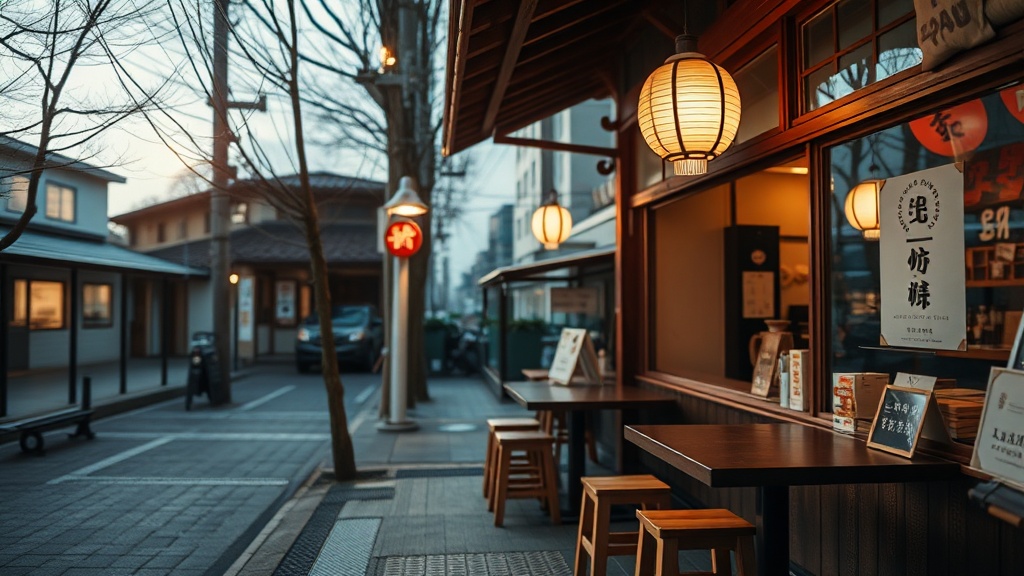
Where to Find the Best Coffee and Quiet Corners in Kyoto

A Hidden Side of Kyoto's Cafe Culture
Studies suggest that nearly 70% of travelers to Japan focus almost exclusively on the major shrines and temples, often missing the quiet, communal spaces that define local life. In Kyoto, the real magic isn't always found in a grand temple gate; it's found in the steam rising from a ceramic cup in a narrow alleyway. This guide covers the specific types of coffee houses and tea rooms that offer a sense of peace, helping you find those rare moments of stillness amidst the tourist crowds. It's about more than just caffeine—it's about understanding the rhythm of the city.
Kyoto functions on a different clock than Tokyo. While the neon lights of Shinjuku demand your attention, Kyoto asks for your patience. Whether you're looking for a traditional tea house or a modern specialty coffee shop, the goal is to find a spot where the world slows down. You'll find that even a twenty-minute coffee break can become a highlight of your trip if you pick the right location. I've seen people spend hours just watching the light hit a Zen garden through a window (a practice known as much as it is enjoyed locally).
Is it worth visiting Kyoto for the coffee scene?
If you think coffee is just a quick caffeine hit before hitting the next museum, you're in for a surprise. The specialty coffee scene in Kyoto is exploding, blending traditional Japanese precision with global trends. You can find everything from high-end pour-overs to matcha-infused lattes that taste nothing like the sugary versions found in Western chains. The level of detail is staggering. Baristas here treat a single bean with the same reverence a monk might treat a ritual. It's a serious business, but it's also incredibly welcoming if you appreciate the craft.
One of the best ways to experience this is to head toward the Higashiyama district in the early morning. Most tourists arrive around 10:00 AM, but if you're up at 7:00 AM, you can find the best seats in the most iconic spots. You might find yourself sitting in a small, wood-paneled shop with a view of a stone path. These spaces are designed for contemplation. If you want to see how coffee culture intersects with traditional architecture, check out the history of coffee in Japan via The Japan Times to understand the cultural shifts happening in the country. It's a fascinating blend of old and new.
Don't feel pressured to move quickly. In many Western cities, a cafe is a place to grab a drink and go. In Kyoto, the cafe is a destination. It's a place to sit, read, or simply exist. I've often found that my best ideas come when I'm sitting in a quiet corner of a Machiya—a traditional wooden townhouse—with nothing but a hot cup of Hojicha to keep me company. It's a way to experience the city without the noise of the main streets.
Where can I find quiet cafes in Kyoto?
To find the best spots, you have to look away from the main thoroughfares like Shijo Street. Instead, look for the smaller side streets near the philosopher's path or the area around Nanzen-ji. These areas are much more relaxed. You'll find small, often family-run establishments that don't even have much English signage. This isn't a barrier; it's part of the charm. A little bit of Google Lens or a simple translation app goes a long way here.
- Traditional Tea Rooms: Look for places serving thick matcha and wagashi (traditional sweets). These are often much more peaceful than modern cafes.
- Specialty Coffee Roasters: These shops focus on the science of the bean. They are often smaller, more minimalist, and highly focused on quality.
- Machiya Cafes: These are coffee shops housed in renovated traditional buildings. They offer an incredible atmosphere that you just can't replicate in a modern building.
If you are looking for more information on travel trends and cultural etiquette in Japan, the Japan-Guide website is a reliable resource that offers deep dives into regional customs. It helps you understand not just where to go, but how to behave in these sensitive, quiet spaces.
What should I order at a Japanese cafe?
While you can certainly find a standard latte, you should try to experiment with the local specialties. Matcha is the obvious choice, but don't overlook Hojicha (roasted green tea). It has a nutty, toasted flavor that is incredibly comforting, especially on a cool afternoon. Many cafes also offer seasonal treats that pair perfectly with your drink. In the spring, look for sakura-flavored sweets; in the autumn, look for chestnut or sweet potato options. These are small, fleeting experiences that make your trip feel personal.
If you're a coffee purist, look for the "Hand Drip" menu. This is where the baristas really shine. They will carefully control the temperature and flow of water to extract the perfect flavor from the beans. It's a slow process, but the results are well worth the wait. You'll notice that the coffee is often served in beautiful, heavy ceramic cups that feel good in your hands. It's a sensory experience from the moment the cup touches the table.
One thing to keep in mind: many of these smaller, more intimate cafes have limited seating and may not have much English on the menu. Don't let that intimidate you. A simple "Sumimasen" (excuse me) and a smile go a long way. Most people are incredibly helpful and will be happy to explain what they are serving. It's part of the local hospitality, or Omotenashi, which is the heart of Japanese service culture.