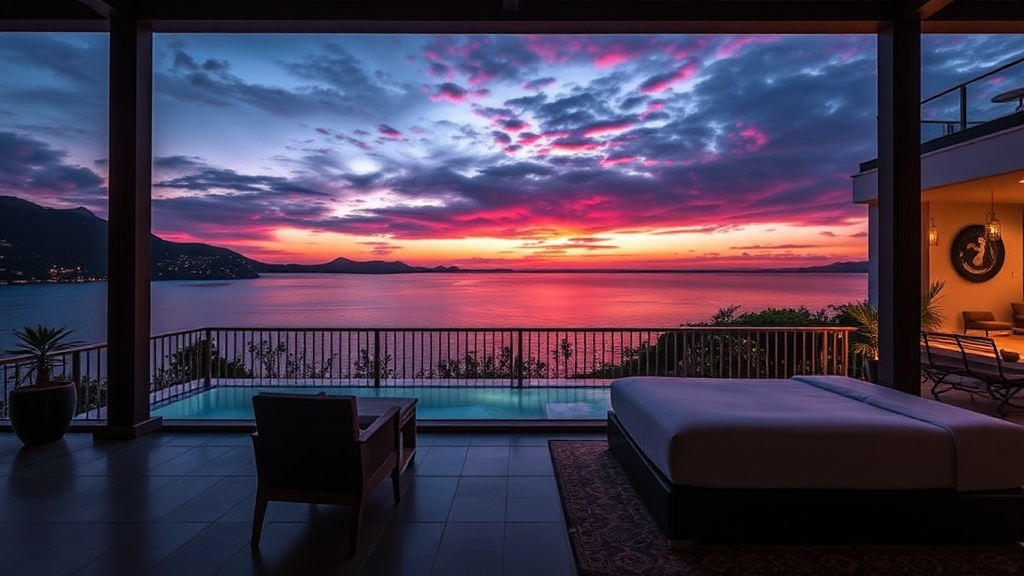
Selecting the Right Boutique Hotel for Your Next Romantic Escape

What makes a boutique hotel better than a large resort?
Are you wondering if that expensive, small-scale hotel is actually worth the extra cost compared to a massive resort? This post covers how to identify high-quality boutique properties that prioritize intimacy and character over scale. When you're traveling as a couple, the environment often dictates the mood of the entire trip. A large resort can feel impersonal and crowded—even when you've paid a premium—whereas a well-chosen boutique hotel offers a sense of seclusion and personality that larger chains simply cannot replicate.
The main difference lies in the attention to detail. In a large resort, you're often just a room number; in a boutique setting, the staff frequently knows your name and your preferences before you even ask. This level of service is what transforms a standard trip into a memorable experience. However, not every small hotel is a good one. You have to look past the pretty photos to find the actual substance behind the branding.
How do I find authentic boutique hotels in a specific area?
Finding a truly unique property requires looking beyond the first page of search results. Most booking sites prioritize hotels with the highest volume of reviews, which often favors the big names. To find the hidden gems, you'll need to change your search strategy. Instead of searching for "best hotels in Paris," try searching for specific architectural styles or local neighborhoods. For example, looking for "Le Marais boutique stays" might lead you to a 17th-century townhouse that offers much more charm than a modern hotel chain.
Another tip is to use specialized platforms. While general travel sites are fine for basic info, looking at sites like Condé Nast Traveler can give you a better sense of what the high-end, niche market actually looks like. You want to look for properties that have a clear identity. Does the hotel have a theme? Is it built into an old winery or a converted lighthouse? That sense of place is what makes a getaway feel special rather than generic.
Key features to look for in a high-quality property
When you're vetting a potential stay, keep these three elements in mind:
- Limited Guest Count: If a hotel has more than 50 rooms, it might not actually be a boutique property. Look for numbers under 100 to ensure that sense of exclusivity.
- Curated Decor: The interior design should feel intentional. You want to see local art, high-quality textiles, and furniture that feels hand-selected rather than mass-produced.
- Personalized Service: Read the reviews specifically looking for mentions of staff interaction. Do they mention a concierge who helped with a hard-to-get reservation? That's a sign of a high-tier service level.
It's also helpful to check the dining options. A great boutique hotel should have a signature restaurant that reflects the local culture. You don't want to be forced to eat at a mediocre buffet. A single, well-run bistro on-site can be a huge advantage for couples who want a romantic dinner without leaving the property.
When is the best time to book a boutique stay?
Timing is everything when it's a matter of securing a specific, limited-capacity room. Because these hotels have so few rooms, they tend to book up much faster than large-scale resorts. If you have your heart set on a specific view—like a balcony overlooking the Mediterranean—you'll likely need to book several months in advance. Waiting until the last minute for a boutique stay is a gamble that often results in much higher prices or no availability at all.
I always suggest checking the hotel's direct website after finding them on a third-party booking site. Sometimes, booking directly can get you perks like a complimentary breakfast or a room upgrade—things that aren't available through general travel agencies. You can also check Lonely Planet to see if there are any seasonal events happening near the hotel that might affect availability or pricing.
Don't forget to consider the seasonal shifts in the region. A boutique hotel in the mountains might be a dream in the winter but feel quite lonely in the summer if the local area isn't a ski destination. Always look at the local weather patterns and the local "high season" to ensure the vibe of the hotel matches your expectations. A quiet, romantic retreat can quickly feel a bit too quiet if the surrounding town is a ghost town during the off-season.
Finally, look at the layout of the property. Is there a central courtyard? A hidden garden? A rooftop terrace? These small, intimate spaces are where the best memories are made. A hotel that prioritizes these common areas is one that understands the value of shared experiences and quiet moments. If the hotel feels like a collection of rooms, skip it. If it feels like a home, book it.