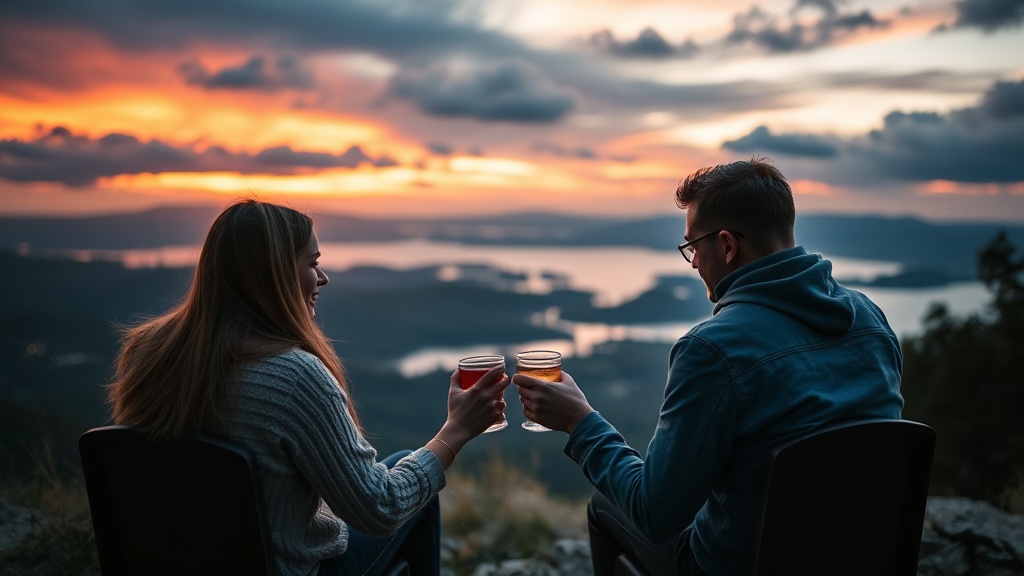
How to Plan a Romantic Weekend Getaway That Brings You Closer Together

This guide breaks down the exact steps to plan a romantic weekend that actually strengthens relationships — not just another trip with fancy dinners and expensive hotels. Most couples return from getaways feeling more disconnected than when they left. The difference between a forgettable trip and one that brings you closer comes down to intentional planning, shared experiences, and creating space for genuine connection. Here's how to do it right.
How Do You Choose a Destination That Both Partners Will Enjoy?
Pick a location that offers activities both partners genuinely want to do — not just a compromise where nobody's excited. The biggest mistake couples make is defaulting to cliché romantic destinations without considering what actually makes them happy together.
Start with a simple conversation. What does relaxation look like for each of you? One partner might picture a quiet cabin in the Banff National Park with hiking trails, while the other imagines a boutique hotel in Quebec City with wine bars and art galleries. Here's the thing — you don't need identical interests. You need a destination that offers enough variety for both.
Consider these factors when deciding:
- Travel time: A three-hour drive keeps things spontaneous. Cross-country flights eat up precious weekend hours.
- Budget alignment: Financial stress kills romance faster than bad weather. Agree on a number beforehand.
- Energy levels: If one partner's burned out from work, an activity-packed itinerary backfires.
- Seasonal considerations: Niagara Falls in November hits different than in July — plan accordingly.
The catch? Don't overthink it. A well-planned weekend in nearby Elk Island National Park often beats an expensive flight to Paris when the goal is connection.
What Activities Actually Bring Couples Closer Together?
Shared novel experiences trigger dopamine and bonding hormones more effectively than passive activities like watching movies or dining out. Research from the Association for Psychological Science confirms that couples who try new activities together report higher relationship satisfaction than those stuck in routines.
That said, "novel" doesn't mean extreme. You don't need to skydive or learn salsa dancing (unless that's your thing). The goal is doing something unfamiliar together — creating a shared memory that belongs only to you two.
Here are proven activity categories that strengthen bonds:
Hands-On Learning
Cooking classes beat restaurant dinners. Workshops beat shopping. When you learn together — whether it's pasta-making in Little Italy or pottery at a local studio — you become teammates. You laugh at mistakes. You celebrate small wins.
Outdoor Adventure
Physical activity releases endorphins. Combine that with fresh air and you've got a recipe for connection. Kayaking on Moraine Lake, cycling the Confederation Trail on PEI, or even a challenging hike up the Grouse Grind creates shared accomplishment.
Creative Collaboration
Paint-and-sip nights, escape rooms, building something together — these activities force communication and compromise in low-stakes environments.
| Activity Type | Best For | Examples |
|---|---|---|
| Active Adventure | Energetic couples, outdoor lovers | Hiking, kayaking, cycling, hot springs |
| Creative Workshops | Curious couples, experience collectors | Cooking classes, art workshops, wine blending |
| Relaxation Focused | Burned-out partners, introverts | Spa days, scenic drives, beach lounging |
| Cultural Immersion | Intellectual couples, planners | Museum tours, historic districts, live performances |
Worth noting: The activity matters less than the attitude you bring to it. A couple genuinely enjoying a bad museum beats a couple silently suffering through a "perfect" sunset dinner.
How Can You Plan Without Turning Into a Project Manager?
Balance structure with flexibility — book the non-negotiables (accommodations, dinner reservations) but leave gaps for spontaneity. Nothing kills romance faster than a minute-by-minute itinerary that turns your partner into a tour guide wrangling a group.
The sweet spot? Plan one anchor activity per day. Morning hike. Evening wine tasting. Everything else? Optional. This approach respects different energy levels and allows room for discoveries — that charming bookstore you stumble into, the locals' recommendation for tacos, the decision to nap instead of sightseeing.
The Friday Arrival
Keep it simple. Check in. Unpack. Have one low-key plan — drinks at a rooftop bar, a walk through the neighborhood, room service and a movie. Travel is tiring. Starting intense guarantees burnout.
Saturday — The Full Day
This is your anchor day. One planned experience in the morning or afternoon. Leave three to four hours completely unscheduled. Dinner should be intentional — somewhere that encourages conversation, not just impressive Instagram photos.
Sunday — The Wind-Down
Plan nothing before noon. Sleep in. Order breakfast in bed. One light activity — a brunch spot, a scenic drive home, a farmers' market stroll. End relaxed, not rushed.
Here's the thing about planning tools — use them sparingly. Google Maps for directions. OpenTable for reservations. A shared Google Doc for ideas. But don't let the tools run the weekend. Put the phone away during meals. No checking work emails. No posting real-time updates. Be present.
What Should You Pack for Maximum Romance?
Pack light but intentionally — comfortable clothes for activities, one outfit that makes each partner feel confident, and small items that create atmosphere. Overpacking creates decision fatigue. Underpacking creates stress.
The practical basics: layers (hotel thermostats are unpredictable), comfortable walking shoes, chargers, toiletries. Beyond that, bring items that set the mood — a portable Bluetooth speaker for hotel room playlists, a favorite bottle of wine, a book of conversation starters for long drives.
Skip the work laptop. Seriously. The weekend won't work if one partner's answering emails while the other's waiting at brunch. Set up auto-responders. Delegate anything urgent beforehand. This is non-negotiable.
Thoughtful Extras That Make a Difference
- A handwritten note to slip into your partner's bag for them to find
- Small snacks from home — familiar comforts in unfamiliar places
- A shared playlist curated before the trip
- One nice outfit each — even if the weekend is casual, dressing up for dinner signals intention
How Do You Handle the Unexpected?
Embrace flexibility — rain, closed restaurants, and wrong turns become part of the story when you approach them as a team. The couples who grow closer during weekend getaways aren't the ones with perfect plans. They're the ones who laugh when the rental car gets a flat tire or the "highly rated" bistro turns out to be mediocre.
Here's a practical tip: Build a backup plan for weather-dependent activities. That outdoor market you planned to browse? Know the nearest indoor alternative. The hiking trail that's unexpectedly closed? Have a coffee shop picked out for regrouping.
Money disagreements destroy weekend vibes fast. Discuss the budget before booking anything. Decide who pays for what — alternating meals, splitting everything, one partner treating. Ambiguity around money creates tension that lingers.
The catch? Some of the best moments come from plans falling apart. The rainy day that sends you to a cozy bookstore where you discover a shared favorite author. The closed restaurant that leads you to a food truck with incredible tacos. The wrong turn that reveals a viewpoint you wouldn't have found otherwise.
That said, know when to cut losses. A truly terrible hotel? Complain and move. A restaurant with hour-long waits? Leave. A partner who's genuinely miserable? Acknowledge it, adjust, and try something else. Pushing through bad experiences "because we planned it" helps nobody.
What Happens After the Weekend Ends?
Sustaining connection requires carrying something home — a new tradition, a shared reference, a commitment to regular getaways. The weekend itself is just the starting point.
Within a week of returning, print one photo from the trip. Not for social media — for your fridge, your desk, your wallet. A physical reminder of time well spent together. Start a tradition: Sunday night takeout from the cuisine you discovered, a monthly "travel planning" dinner where you research the next destination, a playlist you add to with each trip.
Schedule the next getaway before this one fades into memory. It doesn't need to be elaborate. A night at the Fairmont Banff Springs in three months. A camping trip next summer. The anticipation becomes part of the relationship maintenance.
Relationships require active tending. Weekend getaways aren't escapes from real life — they're investments in it. The couples who prioritize these experiences, who plan them thoughtfully and show up fully, build reservoirs of goodwill that carry them through harder seasons.
Start small. Pick a weekend three weeks out. Have the conversation about what you both want. Book one thing. Leave room for magic. That's all it takes.
Steps
- 1
Choose a destination that matches your shared interests and budget
- 2
Plan a mix of activities and downtime to balance adventure with relaxation
- 3
Add personal touches like surprise experiences or meaningful mementos